
Using simple strategies to teach kids how to budget will guide them into adulthood making good financial decisions. Many traps lay ahead for them as they grow up with all of the consumerism that exists. I can vow to that, because I used to fall for the traps. Spending here and there adds up, and then the money is gone. When kids know how to budget it will help them with decision making regarding future purchases, and how to avoid buying unnecessary clutter.
It is important to note that I am not against spending, but as Dave Ramsey says “Make every dollar have a job”. His books and classes helped our family immensely. When I made my money work for me it went farther. I do order on Amazon, but it is not on a whim. I know how much I will be spending on there, and limits are put in place through the budget. I work with my children on budgets at a young age. So far, it has been beneficial.
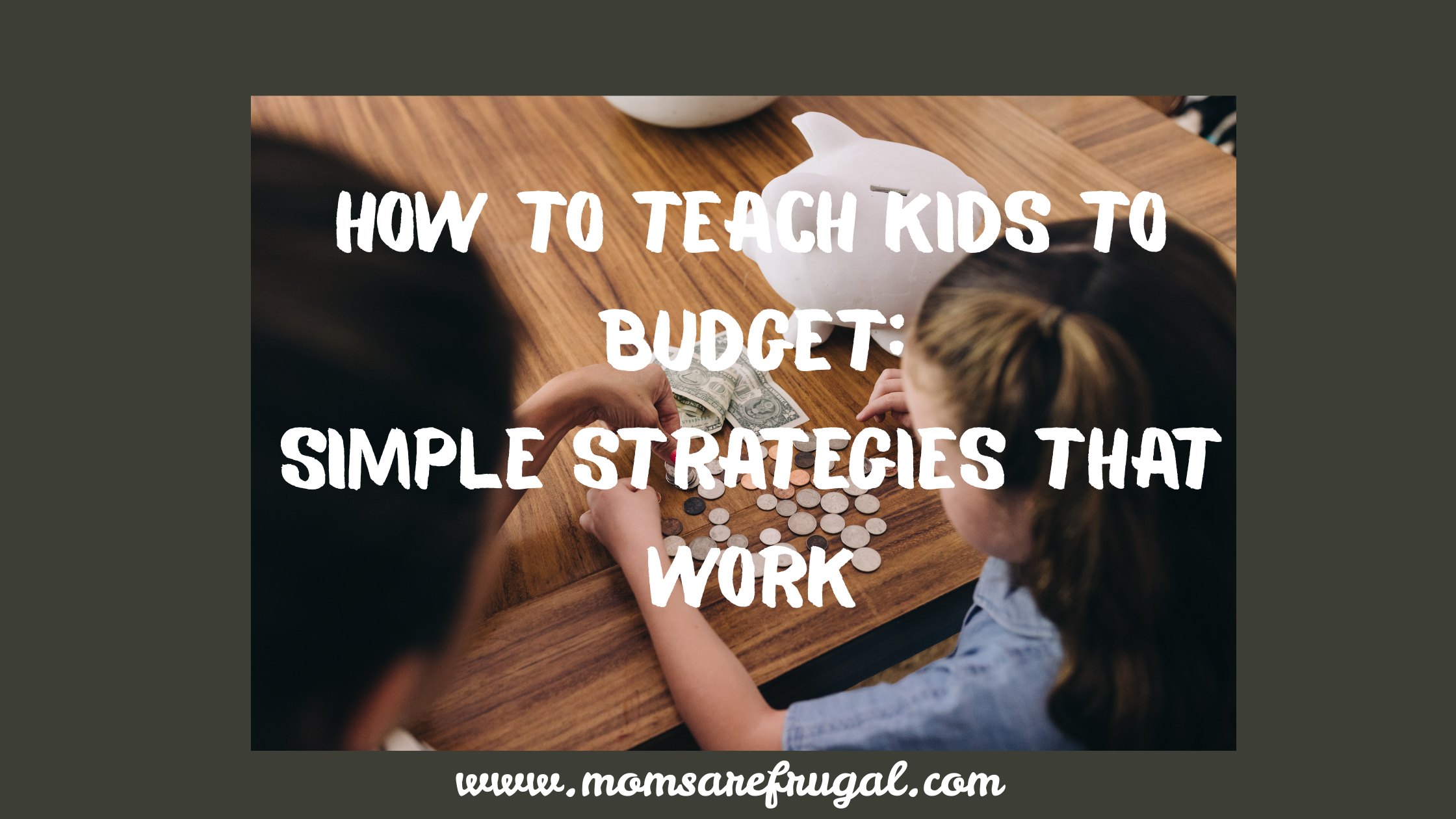
Start a Budget with Money they Currently Have on Hand
In our home any money you work for goes into the budget and can be used for saving, spending, or giving. I am an over saver, so I teach my kids to over save. How? We pay ourselves first. That goes into the budget.
Kids do not have many expenses like food, rent, utilities and other stuff, but they do have activities. Help them plan out what they need for the month. An example would be a gift they need to take to a birthday party, or an activity that isn’t free. Ice cream and treats are extra’s in our home, so if they want a treat they have to budget for it.
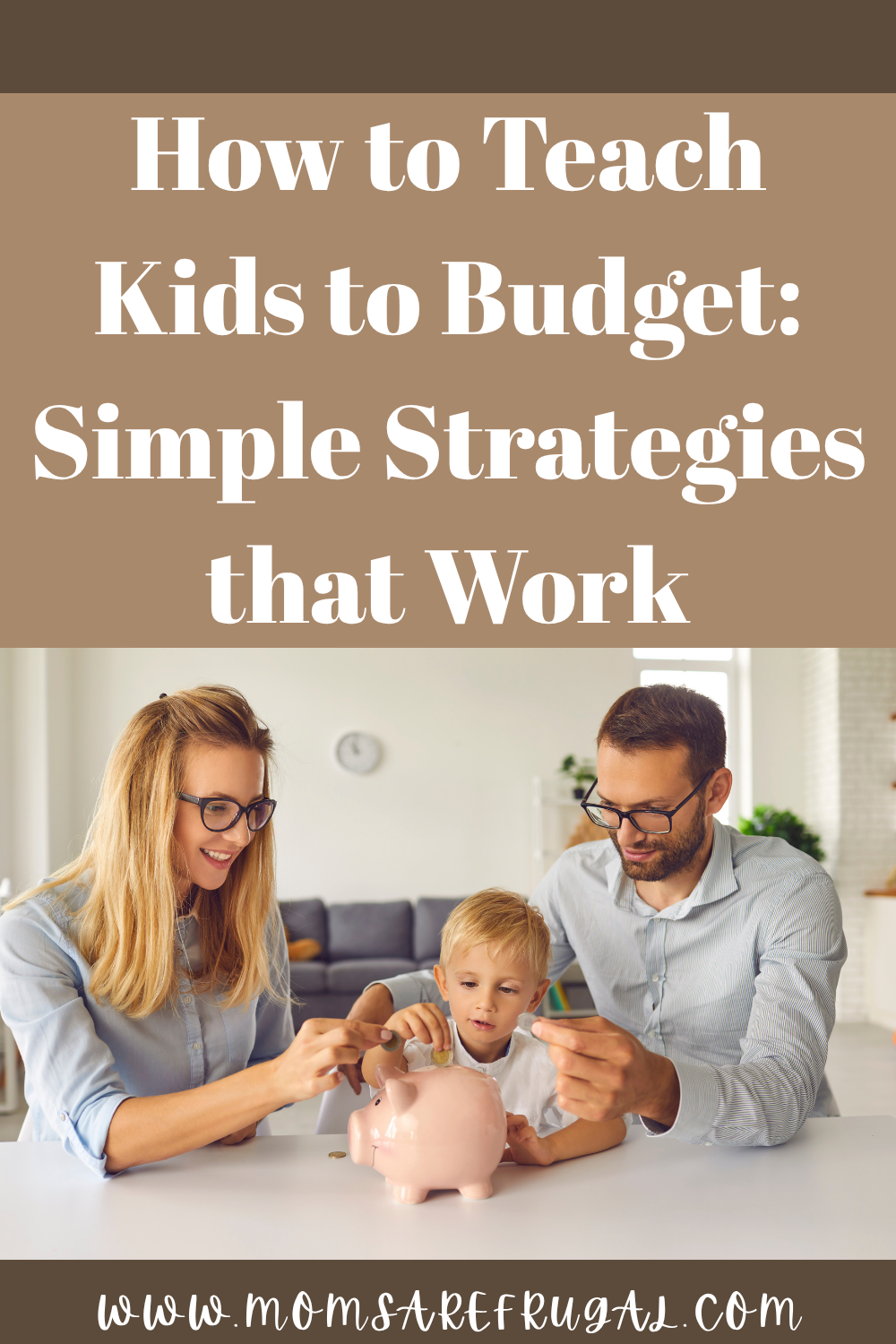
Use a Notebook to Teach them about a Budget
Nothing expensive needs to be purchased for the budget. Using three lines to separate expenses into Save, Give and spend is sufficient at this point. When they get older with a car, insurance and expenses then it is ok to add more into the budget.
Each week give them a set chore or chores to do around the house. Teach them how to do a good job as they learn the dishes, vacuuming and feeding the animals. On Friday (or whatever day you determine to be payday) sit down and write out their spend, save, and give. This will teach them accountability and discipline.
Teach Kids to Budget: Teach Needs vs. Wants
Everything we see we can’t buy. That is a good place to start. What do we need to buy, vs. what do we want to buy. A nice car that gets us from point A to Point B is important. A fancy car that is high on insurance and gas is not necessary.
Needs vs. wants it’s important to teach kids when learning to budget. Another great way to teach kids about what are necessary purchases and what isn’t is by modeling. Our children really learn more from us than anyone else. Without lecturing or long talking sessions they are learning. How? By watching what we do. They are sponges soaking up all that they see, hear and observe.
Teach them to compare prices
Combining price comparison with a limited cash amount goes hand in hand. The next time you go grocery shopping allow them to have three or four items on the list. Allow them to have about $25.00 to spend on groceries. Now, prices are higher and that is a good lesson that money isn’t going to go as far.
As they shop let them now they cannot go over the budgeted amount. This is a fun exercise to teach them to stay in the budget they have set. Next, have them check all of the prices of corn (or whatever is on the list) that are in front of them. Remind them they have to stay in the budget. All of these lessons will help them grow to make good decisions with their own personal checking and saving accounts.
For more ways to save, and live a frugal life sign up for my newsletter or follow me on Instagram @momsarefrugal.





Great tips – simple and budget-friendly ideas are exactly what I look for. Saving this for later, thank you!
I’m so glad! Thank you.
So true that spending here and there adds up before you notice. We started giving our teenager a small monthly budget too. As a nurse I plan our own month around my net pay, checked on a take-home pay calculator, so the kids see the same habit modelled at home.
Teaching kids to budget is one of the most useful money lessons, because it turns abstract numbers into real choices. When children practise adding and comparing amounts in real life, the maths finally feels useful.
Yes it does. Budget lessons need to be a priority for school.
Michelle, the “needs vs. wants” exercise with the $25 grocery budget is a smart one — kids learn more from that real-time price comparison than from any lecture.
It reminds me a bit of how homeowners budget for a house, actually. Here in Worcester, a lot of folks save for replacement windows the same way your kids save for a treat — pricing things out, comparing options, and waiting until the number fits rather than impulse-buying the first quote. One thing worth adding: teaching kids that bigger upfront costs (like better-insulated windows) often save money long-term is a budgeting lesson that applies well beyond childhood.
Mind if I pass this along to a few parents I know?
That is a good lesson. Impulse buying is not always the cheapest route.